Momma Retro Svg Design Review
As a designer who spends half my day staring at stitch maps and the other half worrying about thread tension, I don’t just buy digital files; I vet them. When Momma Retro Svg Design landed on my desk, I didn’t look at it as just another cute graphic to slap on a tote bag. I looked at it as a potential revenue stream for my small business and a potential headache if the vector paths weren’t clean. After running some test stitches and simulating how this would translate from a flat vector into three-dimensional embroidery, here is my honest breakdown of how this design performs in the real world.
First Impressions: Mood and Visual Personality
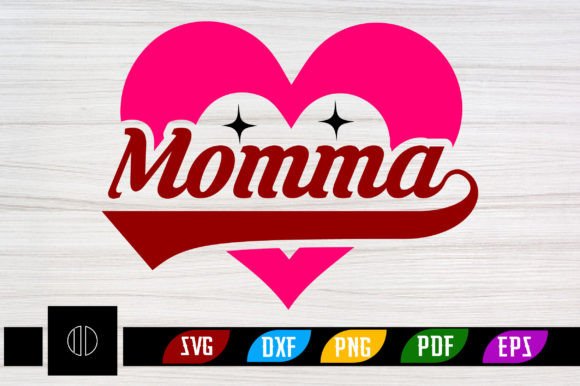
The moment you open the file, the retro aesthetic hits you. It isn’t trying too hard to be modern or minimalist. Instead, it leans into that nostalgic, slightly worn-in vibe that has been dominating the handmade market for the last few years. The visual personality is warm, approachable, and distinctly "mom-centric" without being cliché. For an embroidery project, this matters because embroidery adds texture. A flat graphic can sometimes look cheap when stitched, but a design with strong shapes and clear negative space translates beautifully.
The layout feels balanced, which is crucial when you are preparing a custom apparel item. It doesn’t feel cluttered. This suggests that when stitched, the design will hold its own against fabric textures like denim or cotton twill. It creates a mood that says "cozy home" or "relaxed weekend," which makes it perfect for personalized gift items where emotional connection drives the sale.
Real-World Application: Where This Design Shines
I’ve been thinking about where Momma Retro Svg Design fits best in a product lineup. It’s versatile enough for several categories, but some uses are stronger than others.
- Tote Bag Design: This is perhaps the strongest use case. The retro style pairs exceptionally well with canvas or heavy cotton totes. Because the design likely features bold outlines, it will pop against natural beige or black fabrics. It’s a staple item for Etsy seller shops looking for high-volume, low-cost entry products.
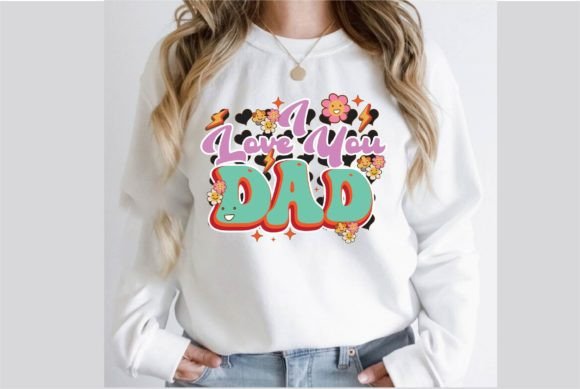
- Sweatshirt Embroidery: Think about a cropped hoodie or a boxy crewneck. The retro theme fits the current streetwear-meets-nostalgia trend. Stitching this onto a fleece or French terry sweatshirt adds a tactile element that prints can’t match. It elevates a basic garment into a boutique piece.
- Baby Embroidery: If the design includes softer curves or smaller text elements, it works well for baby onesies or burp cloths. Parents love personalized items that feel timeless rather than trendy. This design strikes that balance.
- Kitchen Towels and Aprons: For the craft business owner, kitchen linens are a great add-on. The retro aesthetic fits right in with farmhouse-style decor. Just ensure your thread colors contrast well with the towel fabric.
Technical Considerations and Stitch Clarity
Here is where we get into the nitty-gritty. As a reviewer, I need to know if this machine embroidery design will actually stitch out cleanly. Since this is primarily sold as an SVG and DXF file, you will likely be using software to convert these vectors into stitch files, or using them for applique work.
If you are using this for applique design techniques, the clean lines of the SVG are a huge advantage. You won’t have jagged edges fighting against your needle. However, if you are converting this directly into a fill stitch pattern, you need to pay attention to stitch density. Retro designs often rely on thick, solid blocks of color. In embroidery, dense fill stitches can pucker thin fabrics. Always check your hoop size constraints and ensure your stabilizer matches the weight of your final product. For a handmade product like a cap or a hat, curvature can distort wide fills, so testing on scrap fabric is non-negotiable.
Another critical factor is the distinction between satin stitch borders and internal details. If the design relies on tiny lettering or fine decorative accents, you must inspect those areas closely. Tiny details often get lost in the stitching process, especially on textured fabrics like towels or chenille. If the text becomes illegible after stitching, the finished product loses value. My advice? Convert the design to a grayscale mockup before you cut any fabric. This helps you see if the contrast holds up without the distraction of color.
Where to Use Caution
While this design is strong, it’s not universal. There are specific scenarios where Momma Retro Svg Design might struggle:
- Small Hoop Sizes: If you are working with very small hoops (like 4x4 inches), make sure the entire design fits comfortably within the border. Crowding the edges leads to trimming errors and uneven tension.
- Stretchy Fabrics: Avoid using dense fills on highly stretchy materials like spandex blends unless you are using a heavy-duty tear-away or cut-away stabilizer. The risk of distortion is high.
- Dark Fabric with Light Threads: While contrast is good, extremely light threads on dark fabrics can sometimes require multiple passes, increasing hoop time and wear on your machine. Test your thread choice carefully.
- Curved Surfaces: Embroidering on caps or curved bags requires specialized hoops. If the design has sharp corners, they may not lay flat on a curve. Rounder elements tend to perform better here.
Impact on Brand and Customer Trust
In the world of commercial embroidery and small shop product creation, presentation is everything. A well-executed design builds trust. When a customer receives a personalized gift or a custom piece of custom apparel that looks professionally stitched, they are more likely to leave a five-star review and return for future purchases.
Momma Retro Svg Design contributes to brand consistency by offering a recognizable style. If your shop focuses on retro, vintage, or mom-life themes, this design asset aligns perfectly with that identity. It signals to the buyer that you understand their aesthetic preferences. Furthermore, because it is a digital embroidery file based design, you can create printable mockups that look realistic, helping you sell the product before you even stitch it. This is a smart move for creative entrepreneurs who want to validate demand quickly.
Practical Designer Notes for Success
Before you start mass-producing items with this design, follow these steps to ensure quality:
- Test on Scrap Fabric: Never assume a design will stitch out perfectly on the first try. Run it on the same type of fabric you plan to sell.
- Check Thread Contrast: Use high-quality threads. Cheap thread can break or fade, ruining the retro look.
- Inspect Small Details: Zoom in on the vector file. Are there any overlapping paths that might cause stitching errors?
- Confirm Licensing: Even though you are buying a graphics file, always read the license agreement. Ensure you are allowed to sell finished physical goods made from this design, especially if you are operating as an Etsy seller.
- Use Proper Stabilizer: The wrong stabilizer can cause puckering or show-through. Match the stabilizer weight to the fabric weight.
Ultimately, Momma Retro Svg Design is a solid addition to any designer’s toolkit. It offers a blend of nostalgia and practicality that resonates with today’s buyers. By paying attention to the technical details—stitch density, fabric choice, and stabilization—you can transform this simple vector into a high-value embroidery project that stands out in a crowded market. It’s not just a file; it’s a foundation for a profitable, professional-looking product line.