Mardi Gras Retro SVG: A Designer's Real-World Review
As a professional designer who spends more time than I care to admit troubleshooting stitch errors and evaluating file quality for client projects, I approach every new download with a mix of excitement and skepticism. When I first opened the folder for the Mardi Gras Retro SVG, my initial reaction wasn't about the festive colors or the nostalgic vibe; it was about the structural integrity of the design itself. In the world of machine embroidery, a pretty picture is only as good as its ability to translate into thread without bunching, skipping, or losing definition. This review breaks down exactly how this embroidery file performs when moved from a digital screen to a real-world embroidery project.
The First Impression: Mood and Visual Personality
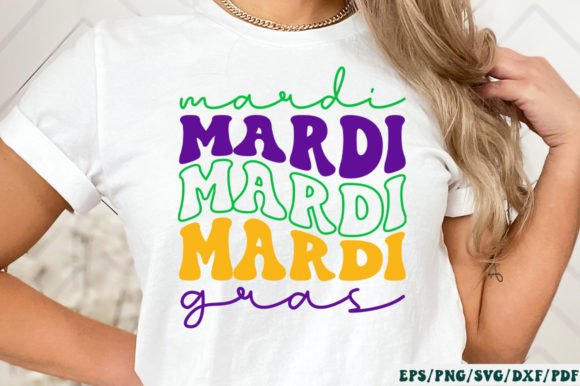
The moment you load the Mardi Gras Retro SVG into your vector software, the aesthetic jumps out. It captures that specific mid-century carnival energy without feeling cluttered. For a designer looking to create custom apparel or boutique branding, the visual personality is spot-on. The lines are clean, the curves are fluid, and the layout suggests a design that is meant to be seen, not just stitched.
Unlike many generic clipart options that look flat when converted to stitches, this design has a natural flow. It feels like it belongs on a heavy cotton canvas tote bag or a vintage-style sweatshirt. The retro theme immediately elevates the perceived value of the final product. When a customer sees a well-executed embroidered patch with this level of detail, they associate it with quality craftsmanship rather than mass-produced print merchandise. It strikes a balance between playful and professional, which is crucial for any craft business owner trying to stand out in a crowded market.
Real-Life Application: From Screen to Stitch
To truly test the viability of the Mardi Gras Retro SVG, I ran a simulation based on a common scenario: creating a line of holiday gifts for a local boutique. Imagine preparing custom embroidered tote bags for a Mardi Gras party or perhaps a set of personalized aprons for a kitchenware shop. The design needs to hold up under the pressure of high-volume production while maintaining its charm.
In this context, the design shines. The shapes are large enough to accommodate a variety of thread colors without becoming muddy. When I visualized this on a cream-colored tea towel, the contrast would be sharp, making the satin stitch areas pop against the fabric texture. Similarly, on a dark navy cap, the retro elements would provide a striking focal point. The versatility of the included formats—SVG, DXF, PNG, EPS, and PDF—means this digital embroidery file can be adapted for different workflows, whether you are using Cricut Design Space for cutting applique layers or importing directly into an embroidery digitizing program for fill stitches.
For small shop owners, the implications are significant. A well-designed embroidery project like this increases the likelihood of a sale because it looks expensive. Customers are willing to pay a premium for items that feel handmade and thoughtfully designed. If you are an Etsy seller, this asset could serve as the centerpiece for a collection of holiday embroidery goods. The design works equally well for baby clothes, where the soft curves and fun theme are perfect for nursery decor, or for adult-oriented items like pillow covers and decorative flags.
Navigating the Technical Challenges
However, no design is without its pitfalls. As an experienced reviewer, I must highlight where caution is required. The Mardi Gras Retro SVG contains intricate details that demand careful planning. If you attempt to stitch this in a very small hoop size, you risk losing the finer points of the retro graphics. Tiny lettering or delicate corners might not render clearly if the stitch density is too high for the available space.
Fabric choice is another critical factor. While this design looks great on stable fabrics like denim or canvas, it may struggle on highly textured or stretchy materials without proper stabilization. Stretchy fabrics require a stabilizer that provides enough rigidity to prevent puckering, especially around the curved edges of the design. Dark fabrics present their own challenge; you will need to ensure there is sufficient contrast between the thread colors and the background to maintain visibility. If the design relies on subtle shading, it might appear washed out on black material unless you use a high-quality underlay or a contrasting backing thread.
Additionally, products that undergo frequent washing, such as kitchen towels or children's clothing, require robust stitching. Dense stitch areas can sometimes trap lint or cause the fabric to stiffen over time. Before committing to a full production run, it is wise to inspect the stitch density of the design. If the file is provided as a vector, you have the flexibility to adjust these settings, but if it is a pre-digitized format, you must verify that the density is appropriate for the intended garment weight.
Strategic Design Notes for Makers
Before you start stitching, there are several practical steps to ensure your finished product meets professional standards. First, always test the design on scrap fabric. This simple step reveals potential issues with thread tension, hooping stability, or color clashes that aren't obvious on a computer screen. Check the stabilizer type you are using; a cut-away stabilizer is often best for retaining the shape of detailed designs on stretchy fabrics, while tear-away might suffice for stable wovens.
Review the design in black and white mockups before selecting your threads. This helps you understand the silhouette and ensures that the design remains recognizable even without color. Compare how the Mardi Gras Retro SVG looks on both light and dark backgrounds to determine the most effective color palette. If you are creating a commercial product, double-check the licensing terms regarding selling finished items. Some digital assets allow personal use only, while others permit commercial sales of physical goods. Confirming these details protects your small shop product business from legal complications.
Finally, consider the end-user experience. Does the design feel comfortable? Are there any rough edges or overly dense areas that might irritate the skin? For personalized gifts or baby embroidery, comfort is paramount. A design that looks stunning but feels scratchy will lead to returns and negative reviews. By paying attention to these details, you demonstrate a commitment to quality that builds trust with your customers.
Final Verdict on Visual Appeal and Value
The Mardi Gras Retro SVG offers a compelling blend of nostalgia and modern utility. It is a versatile asset that can elevate everything from a simple tote bag design to a sophisticated commercial embroidery line. Its strength lies in its adaptability; it fits seamlessly into various categories, including apparel decorators, digital product sellers, and creative entrepreneurs looking to expand their offerings.
When executed correctly, this design enhances brand consistency and engages buyers through its unique aesthetic. It transforms a standard craft item into a statement piece. Whether you are preparing for a craft fair, launching a new Etsy listing, or fulfilling a custom order for a corporate event, this design provides a solid foundation for success. Just remember to respect the technical limitations of embroidery, choose your materials wisely, and always prioritize the quality of the finish. With the right approach, the Mardi Gras Retro SVG can become a staple in your portfolio of design assets, delivering both artistic satisfaction and commercial value.