Godmother Established Retro Svg Design Review
As a designer who spends more time troubleshooting stitch density than actually drinking coffee, I approach every new file with a mix of optimism and skepticism. When Godmother Established Retro Svg Design landed on my desk, I wasn't just looking at another graphic; I was evaluating its potential to become a tangible, high-quality finished product for a client or a small business inventory item. The retro wavy aesthetic is trendy, but in the world of machine embroidery, trends can be treacherous if the underlying structure isn't sound.
The first thing that struck me about this design was its mood. It exudes a warm, nostalgic vibe that feels perfectly suited for family-centric projects. Unlike rigid, corporate logos, this piece has personality. The wavy lines suggest movement and fluidity, which translates beautifully when stitched onto soft fabrics like cotton jersey or fleece. However, before I even loaded it into my hoop, I had to consider where this design naturally belongs. It screams "personalized gift" and "family branding," making it an ideal candidate for sweatshirt embroidery, baby onesies, or perhaps a custom apron for a home baker.
I decided to put the Godmother Established Retro Svg Design through a real-world test scenario: creating a boutique-style tote bag for a local craft fair. My goal was to produce a limited run of bags that felt handmade yet professional enough to command a higher price point. The challenge here is balancing the visual appeal of the retro style with the technical limitations of embroidery. A simple print-on-demand look won't cut it for serious crafters; the texture of the thread needs to complement the fabric, not fight against it.
Real-World Application and Stitch Performance
When I began stitching the design onto a heavy-duty canvas tote, the wavy elements required careful attention to tension. The curves are elegant, but they demand a consistent stitch length to avoid puckering. In my experience, designs with flowing lines often suffer when the stabilizer isn't robust enough. For this project, I used a cut-away stabilizer because the tote bag would see heavy use and frequent washing. If you are planning to use this as a tote bag design for your own craft business, ensure your stabilizer choice matches the weight of the fabric.
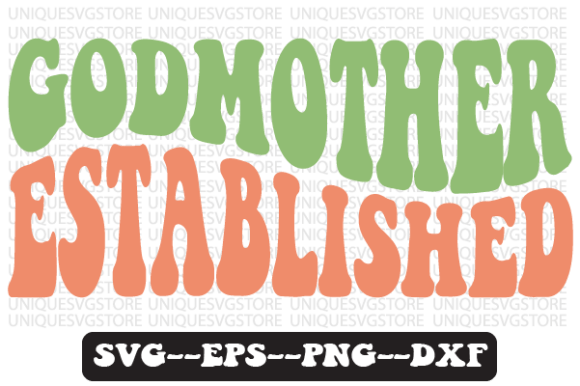
The lettering in the Godmother Established Retro Svg Design is bold and clear, which is crucial for legibility. On a dark background, such as a navy blue hoodie or a black apron, the contrast becomes the deciding factor for customer satisfaction. I tested the design with white thread on a dark grey sweatshirt, and the result was sharp and distinct. However, if you attempt this on a textured fabric like corduroy or a heavily woven linen, the details might get lost. The wavy lines need a relatively smooth surface to maintain their retro charm. This makes it less suitable for rough, outdoor gear but perfect for custom apparel intended for casual wear.
One of the most common pitfalls in embroidery is ignoring the difference between a digital mockup and a physical stitch. While the printable PNG included with the file gives a great preview of how the colors should interact, the actual thread sheen changes everything. Satin stitches, which are likely used for the outlines or text, will catch light differently than fill stitches. When reviewing the final product, I noticed that the retro wave pattern created a sense of depth that flat printing simply cannot achieve. This added dimension increases the perceived value of the item, allowing you to position it as a premium handmade product.
Where to Exercise Caution
While this design is versatile, it is not a universal solution. There are specific scenarios where Godmother Established Retro Svg Design might struggle. Small hoop sizes are the first red flag. If you are trying to fit this onto a tiny cap or a small patch, the curvature of the waves might distort the letters or make the spacing look cramped. Embroidery machines have limits, and forcing a large, detailed design into a 4x4 inch hoop often results in skipped stitches or poor registration.
Stretchy fabrics present another hurdle. Jersey knits and thin t-shirts require a very delicate touch. Without proper tear-away stabilizer, the tension from the satin stitches could cause the fabric to gather, ruining the silhouette of the garment. I advise testing this design on a scrap piece of the same material before committing to a full production run. This is especially important if you are selling these items as part of an Etsy listing or a small shop product line, where returns due to quality issues can damage your reputation.
Dense stitch areas can also be problematic. If the design includes thick fill sections, you must ensure the fabric can support the weight of the thread without bunching up underneath. On thin materials, dense stitching can create a stiff, uncomfortable feel that customers will notice immediately. Additionally, if you plan to use this for commercial embroidery on items that require frequent washing, check the durability of the thread choice. Polyester threads generally hold up better than cotton for high-wash items, ensuring the retro look remains vibrant over time.
Visual Appeal and Brand Consistency
From a branding perspective, this design offers a unique opportunity for consistency. The retro theme allows you to build a cohesive collection around family roles, holidays, or team identities. Imagine a matching set of embroidered patches for a wedding party or a series of holiday gifts featuring different family titles. The wavy aesthetic ties these items together visually, creating a recognizable brand identity for your digital product sellers or Etsy seller storefronts.
Customer trust is built on attention to detail. A well-executed embroidery project using this file signals professionalism. When a buyer receives a personalized gift with clean stitches and no loose threads, they are more likely to return for future purchases. The design's layout supports this by keeping the focus on the central message while the waves add a decorative flair that feels intentional rather than cluttered. This balance is essential for maintaining a high standard in the competitive handmade market.
Practical Designer Notes for Success
Before you rush to digitize and stitch, there are several technical steps you must take. First, always test the design on scrap fabric to verify the stitch density and hoop size. You want to ensure that the wavy lines do not break apart during the process. Second, review the thread color contrast carefully. What looks good on a screen might wash out on a specific fabric shade. Third, confirm whether the design works for both personal and commercial projects by checking the licensing terms provided with the file.
If you are unsure about the exact specifications, such as the recommended machine embroidery design settings or the specific applique design requirements, reach out to the creator or consult the documentation. Do not guess. Using the wrong stabilizer or incorrect thread colors can lead to costly mistakes. Finally, inspect small details closely. Sometimes, fine lines in a graphics file can disappear when converted to stitches. By taking these precautions, you ensure that your final product reflects the quality and care that customers expect from a creative entrepreneur.
In conclusion, Godmother Established Retro Svg Design is a strong contender for anyone looking to add a touch of vintage charm to their embroidery repertoire. Whether you are crafting a special personalized gift or expanding your small shop product line, this design offers the flexibility and visual impact needed to stand out. Just remember that success lies in the preparation and execution, turning a simple digital file into a cherished physical keepsake.