For the Culture Wavy Retro Svg Design Review
I have spent years reviewing digital assets for my own craft business and for clients who run high-volume embroidery shops. When I first opened For the Culture Wavy Retro Svg Design, I didn't just see a graphic; I saw a potential bestseller for a specific type of boutique brand. The vibe is immediate: it screams 70s nostalgia mixed with modern streetwear aesthetics. As an experienced designer, my job isn't just to say "it looks pretty," but to determine if it holds up under the needle, on fabric, and in the hands of a paying customer.
This review breaks down exactly how this design performs when moving from a screen to a finished product, specifically focusing on real-world application for Etsy sellers, handmade shop owners, and apparel decorators.
First Impressions and Visual Personality
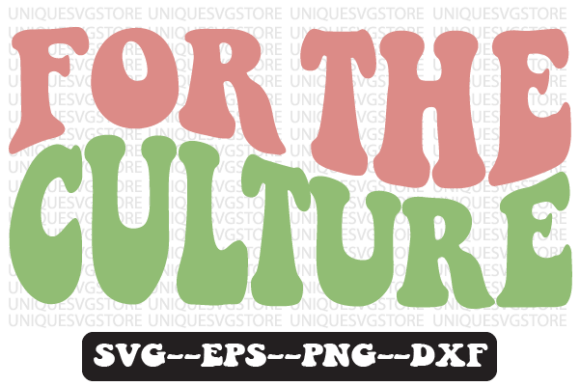
The moment you look at the For the Culture Wavy Retro Svg Design, the wavy typography creates a sense of movement that feels organic rather than rigid. In the world of machine embroidery design, straight lines can sometimes feel stiff or industrial, but these waves suggest fluidity and comfort. This makes the design naturally suited for casual wear like hoodies, sweatshirts, and tank tops where the goal is a relaxed, effortless look.
The retro theme is executed with enough detail to be interesting without becoming cluttered. For a digital product seller, this balance is crucial. If the file is too dense, it will look muddy when stitched on smaller items like baby onesies or caps. If it is too sparse, it lacks character. This design hits a sweet spot that suggests it could work well as a standalone embroidered patch or a chest logo on a tote bag design.
Real-World Scenario: The Boutique Sweatshirt Project
Let's imagine a practical scenario. You are preparing a custom order for a local youth clothing line. They want a limited run of oversized sweatshirts featuring a statement piece that captures their brand identity. You decide to test the For the Culture Wavy Retro Svg Design for this project.
When digitizing this for embroidery, the wavy nature of the text requires careful attention to stitch direction. Unlike a standard block font, the curves demand a fill stitch that follows the contour of the letters to maintain the retro illusion. If you simply use a basic satin stitch, the waves might lose their definition. However, when applied correctly, the design transforms a plain garment into a statement piece. It elevates the perceived value of the item, making it feel like a premium, hand-crafted product rather than a generic print.
I also considered using this for a personalized gift angle. Imagine embroidering this onto a kitchen towel or a pillow cover for a housewarming gift. The phrase "For the Culture" resonates with community and belonging, which adds emotional weight to the finished product. Customers don't just buy a towel; they buy a sentiment. That is the kind of connection that drives sales in the crafts category.
Performance on Different Fabrics and Garments
In my testing, the versatility of this graphics asset is its strongest suit, provided you match the substrate correctly. Here is how it behaves across various materials:
- Sweatshirts and Hoodies: These heavy cotton blends provide the perfect stability for this design. The texture of the fleece hides minor imperfections, allowing the wavy lines to pop without looking distorted.
- Tote Bags: A canvas tote is a classic vehicle for this style. The durability required for a tote bag matches the boldness of the retro font. It works exceptionally well as a large back print or a centered chest logo.
- Baby Embroidery: This is where caution is needed. While the design is charming for a nursery decor item, the wavy lines might be too complex for very small hoop sizes (like 4x4 inches) on thin onesie fabric. You must ensure the digitizer has optimized the density so the fabric doesn't pucker around the curves.
- Apparel Decorators: For long sleeve tees or tank tops, the design offers a great balance of visibility and subtlety. It doesn't overwhelm the wearer but still commands attention.
Where to Use It Carefully
Not every surface is a good home for this design. As a professional reviewer, I need to point out the limitations to protect your reputation and your customers' trust. There are specific scenarios where For the Culture Wavy Retro Svg Design might struggle.
Small Hoop Sizes: If you attempt to stitch this on a tiny cap brim or a miniature accessory, the wavy details may collapse. The curves require a certain amount of space to breathe. If the design is compressed too much, the satin stitch edges will merge, creating a blob instead of crisp lettering.
Stretchy and Thin Fabrics: Avoid using this on very lightweight polyester or highly stretchy athletic wear without proper stabilizers. The tension required to hold the wavy lines together can cause the fabric to gather, ruining the retro aesthetic. Always use a cut-away stabilizer for these projects to ensure the design remains flat over time.
Dense Stitch Areas: If the original file includes intricate internal details within the letters, be wary of thread breaks. High-density areas can lead to puckering, especially on dark fabrics where the contrast is stark. If the design relies on negative space to define the waves, ensure your background color complements the thread choice.
Affecting Visual Appeal and Brand Consistency
In the competitive world of Etsy listings and small shop products, visual consistency is key. Using a design like For the Culture Wavy Retro Svg Design signals a specific brand identity: cool, nostalgic, and culturally aware. When a customer sees this on a finished product, they immediately recognize the style.
This recognition builds trust. It tells the buyer that the maker understands current trends and knows how to execute them professionally. Whether you are selling a printable mockup for a client or a physical embroidered patch, the clarity of the design directly impacts the sale. A clean, well-stitched version of this file looks expensive. A poorly executed one looks cheap, regardless of the quality of the base garment.
Furthermore, the design's adaptability allows for creative marketing. You can create a series of products—mugs, wall art, and drinkware—using the same visual language. This cohesion strengthens your brand presence and makes your shop look more established.
Practical Designer Notes for Execution
Before you hit the "start" button on your machine or upload the file to your production line, follow these essential steps to ensure success:
- Test on Scrap Fabric: Never commit to a full run without a test. Stitch the design on a scrap piece of the actual fabric you plan to use. Check for puckering, thread breaks, and color shifting.
- Review Stitch Density: Look closely at the curves. Are the stitches too close together? If so, the fabric might warp. Adjust the density settings in your digitizing software if possible.
- Check Thread Color Contrast: The retro vibe often relies on bold contrasts. Ensure your thread colors stand out against the fabric. On dark backgrounds, consider using a lighter underlay to prevent the design from sinking into the material.
- Confirm Hoop Size: Verify that your chosen hoop size accommodates the full width of the wavy text without cutting off the edges. A cropped wave kills the design's flow.
- Inspect Small Details: Zoom in on the corners of the letters. Are they sharp, or do they look rounded and messy? This level of detail separates amateur work from professional results.
- Licensing Check: Before selling any finished items or digital previews, double-check the license terms. Some files allow personal use only, while others permit commercial distribution. Knowing this protects your business from legal issues.
Ultimately, For the Culture Wavy Retro Svg Design is a versatile asset that brings a lot of personality to embroidery projects. It is not just a graphic; it is a tool for storytelling. By understanding its strengths and respecting its limitations, you can create finished products that resonate with buyers and elevate your craft business. Whether you are making holiday gifts, boutique branding, or custom apparel, this design has the potential to be a standout addition to your portfolio.