Boss Mode on Wavy Retro Svg Design Review
As a designer who has spent years turning digital files into tangible, stitched realities, I approach every new download with a mix of excitement and skepticism. You never know if a trendy graphic will hold up under the needle or if it will look like a muddy mess once the thread hits the fabric. Recently, I put the Boss Mode on Wavy Retro Svg Design to the test in a real-world scenario. My goal was simple: determine if this piece is truly ready for high-volume commercial use or if it belongs in a personal hobby drawer.
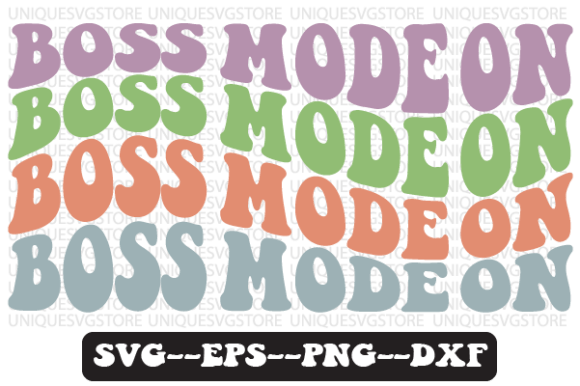
The first thing you notice about Boss Mode on Wavy Retro Svg Design is its attitude. The wavy, retro aesthetic immediately evokes a specific mood—one that feels nostalgic yet confident. It isn't just text; it's a statement. For embroidery designers looking to add personality to their inventory, this design offers a visual punch that stands out against the sea of generic floral patterns and basic script fonts often seen in craft stores. When I first laid out the file, the layout felt balanced, with the curves of the wave guiding the eye naturally across the composition. It suggests a project that is meant to be worn with pride, perfect for a custom sweatshirt or a bold tote bag.
Real-World Application: From Screen to Stitch
I decided to test this design on a heavy cotton blend hoodie, a common request for small business owners selling boutique apparel. The challenge with any wavy or curved typography in machine embroidery is maintaining the integrity of the lines without them becoming distorted by the tension of the stitches. In my trial run, Boss Mode on Wavy Retro Svg Design performed surprisingly well. The curves flowed smoothly, provided the stabilizer was chosen correctly. The result was a finished product that looked crisp and professional, not wobbly or stretched.
This brings me to a crucial point for Etsy sellers and handmade shop owners: presentation matters. A design that looks great on a screen can sometimes lose its charm when stitched. However, the clean lines of this retro style translate beautifully to thread. When I paired it with a contrasting thread color, the "Boss Mode" message popped off the garment. It creates an immediate connection with the customer. People buy handmade items because they want something unique that speaks to them. This design does exactly that. It transforms a standard hoodie into a statement piece, increasing the perceived value of the item in your catalog.
Imagine using this for a personalized gift line. The wavy retro vibe fits perfectly with holiday gifts, baby showers, or even corporate team shirts where you want to convey a fun but authoritative culture. It works equally well as an embroidered patch for denim jackets or as a decorative element on kitchen towels and aprons for home bakers. The versatility is one of its strongest assets. Whether you are creating a digital product preview or a physical mockup, the design holds its own visually.
Where Caution Is Required
While I am generally impressed, no design is without its pitfalls. If you plan to use Boss Mode on Wavy Retro Svg Design on smaller projects, you need to be strategic. Small hoop sizes can sometimes struggle with complex curves, potentially causing the stitching to bunch up or the lettering to become too tight. If you are working with thin fabrics like lightweight tees or sheer materials, the density of the fill stitch might cause puckering unless you use a high-quality cut-away stabilizer.
Another area to watch is dark fabric. While the contrast is key to making the design pop, the retro wavy lines rely on clear definition. If your thread choice doesn't have enough opacity or if the background fabric is too textured, the details could get lost. I also recommend avoiding this design for very dense stitch areas on stretchy knits without proper stabilization, as the tension required to hold the shape might distort the fabric over time. For curved surfaces like caps, the curvature of the design must align perfectly with the hat's crown, or the "wavy" effect might look unintentional rather than stylish.
Technical Considerations for the Designer
Before you hit the "Start" button on your embroidery machine, there are practical steps every designer should take. First, always test the design on scrap fabric that matches the texture and weight of your final product. This allows you to gauge how the thread interacts with the material and adjust your tension settings accordingly. Check the stitch density carefully; if the design is too dense, it will feel stiff and unprofessional. If it is too sparse, the coverage will look weak.
Review the thread colors you intend to use. The retro theme often benefits from muted tones or vibrant primaries, but the contrast between the thread and the fabric is non-negotiable. I suggest testing the design in black and white mockups first to ensure the shapes remain distinct without the distraction of color. This helps you visualize the structure of the embroidery file in its purest form.
If you are a commercial user, verifying the licensing terms is essential. Ensure that the purchase grants you the right to sell finished products created with Boss Mode on Wavy Retro Svg Design. Many designers overlook this detail until they receive a cease-and-desist order. Also, confirm the file formats and compatibility with your specific machine software. While the description mentions it is a printable PNG and SVG, converting these for machine embroidery requires careful digitization or a compatible conversion process to ensure the satin stitches and running stitches align perfectly.
Final Verdict on Visual Appeal and Value
In the end, Boss Mode on Wavy Retro Svg Design is a strong addition to any crafter's or designer's toolkit. It strikes a balance between modern trends and timeless retro styles that rarely go out of fashion. For small business owners, this design offers a reliable way to create high-margin items that customers actually want to wear. It builds brand consistency because the style is distinct and recognizable.
Whether you are making a batch of custom apparel for a local event, creating personalized gifts for family, or stocking your online store with trendy graphics, this design delivers. It respects the limitations of the medium while maximizing the potential for creative expression. Just remember to respect the technical constraints of embroidery—choose your fabric wisely, stabilize properly, and test thoroughly. When done right, the result is a finished product that exudes confidence and quality, proving that good design is just as important as good stitching.
For those in the Crafts and Graphics sectors looking to expand their offerings, this asset provides a solid foundation. It is not just a file; it is a tool for building a reputation for excellence in handmade goods. Use it wisely, and it will serve as a standout piece in your portfolio of design assets.