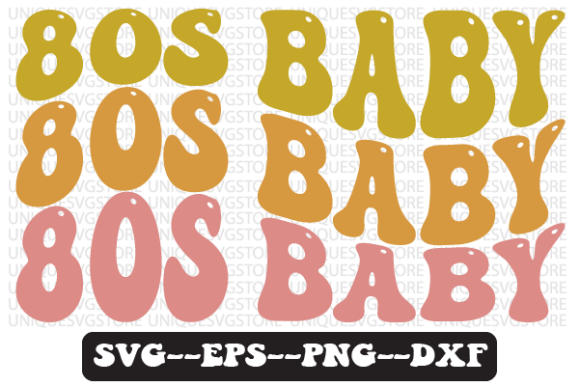
80s Baby Wavy Retro Svg Design
As a designer who spends more time than I care to admit staring at stitch charts and testing thread tension, I approach every new embroidery design with a healthy dose of skepticism. The market is flooded with digital assets that look stunning on a screen but fall apart under the needle. When I first pulled up the 80s Baby Wavy Retro Svg Design, my immediate reaction was less about nostalgia and more about structural integrity. Would this wavy aesthetic translate well into physical thread? Could it hold its own in a crowded Etsy marketplace or a boutique shop display?
This review isn’t just about whether the file looks pretty; it’s about whether it works as a viable asset for real-world production. Whether you are an Etsy seller, a small business owner, or a hobbyist looking to create a standout personalized gift, understanding how a design behaves during digitization and stitching is crucial. Here is my practical breakdown of how this design performs when moved from a digital canvas to a finished product.
First Impressions and Visual Personality
The 80s Baby Wavy Retro Svg Design immediately establishes a mood that is playful, slightly chaotic, and undeniably nostalgic. The wavy lines evoke the psychedelic influences of the 1970s bleeding into the bold geometric trends of the 1980s. For a designer, the challenge with any "wavy" or organic shape is maintaining clarity. If the curves are too subtle, they can get lost in the fabric texture; if they are too aggressive, they can look distorted.
In this case, the design strikes a confident balance. It feels like a machine embroidery design that was intended to be seen clearly from a distance. The visual personality is strong enough to stand alone without needing heavy embellishment. It suggests a project that is fun and approachable, making it ideal for items where you want to inject personality without overwhelming the wearer or viewer. It fits naturally into the Crafts and Graphics categories because it serves as both a decorative element and a statement piece.
Real-World Application: Where This Design Shines
Let’s talk about actual use cases. I recently considered using this design for a custom order of baby onesies and toddler sweatshirts. The retro theme pairs exceptionally well with current fashion trends that favor vintage-inspired aesthetics. However, not all projects are created equal. Here is where I see this embroidery file performing at its best:
- Baby Apparel and Nursery Decor: The soft, flowing lines of the wavy pattern work beautifully on baby embroidery projects. Because the shapes are generally rounded rather than sharp, it feels safe and gentle, which is exactly what parents look for in clothing for infants. It translates well to onesie embroidery and could easily be adapted for nursery wall art or pillow covers.
- Sweatshirt Embroidery: Thick fabrics like cotton fleece provide a stable base for this kind of design. The sweatshirt embroidery market is competitive, so having a design that stands out visually is key. This retro wave pattern offers high contrast potential, especially when paired with contrasting thread colors.
- Tote Bag Design: Canvas tote bags are a staple for the craft business. This design has the visual weight to anchor a large tote bag without looking sparse. It serves as a great handmade product that appeals to younger demographics who appreciate retro vibes.
- Commercial Embroidery Projects: For small shop products aimed at teenagers or young adults, this design hits the right note. It works well for caps, beanies, and casual tees. The versatility allows it to be used across multiple product lines, increasing the value of your design assets.
Technical Considerations and Stitch Behavior
While the concept is strong, execution is everything. As a reviewer, I must highlight areas where this design requires careful handling. The wavy nature of the lines means that stitch density plays a massive role in the final outcome. If the digitizer did not account for proper underlay stitches, the waves might pucker or distort on stretchy fabrics.
When evaluating this for a client project, I would recommend checking the following technical aspects:
- Hoop Size Constraints: Ensure the design fits comfortably within your standard hoop sizes. While the description suggests it is printable and versatile, embroidery machines have physical limits. A hoop size that is too small may force you to rehoop frequently, which increases the risk of misalignment.
- Fabric Texture Compatibility: This design will struggle on highly textured fabrics like chunky knits or rough burlap. The fine details of the waves may get swallowed by the fabric weave. Stick to smooth surfaces like jersey, cotton blends, or denim for the cleanest result.
- Thread Color Contrast: The success of a monochromatic or limited-color design relies heavily on contrast. On dark fabrics, you will need bright or light threads to make the waves pop. On light fabrics, darker threads will provide definition. Always test your thread colors before committing to a bulk run.
Where to Exercise Caution
There are specific scenarios where this digital embroidery file might not be the best choice. Avoid using it on curved surfaces like baseball caps unless you are experienced with cap hoops, as the wavy lines can appear distorted when viewed from the side. Similarly, do not attempt to shrink this design down to fit in a tiny 4x4 inch hoop if the original intent was for larger placement. Tiny lettering or intricate corners often become muddy when scaled down too far.
Additionally, be mindful of washability. If the design includes dense fill stitches, it may feel stiff after washing. For items like kitchen towels or aprons that undergo frequent laundering, ensure the stabilizer is removed completely to maintain fabric softness. For apparel decorators, this means paying attention to the backing material you choose.
Impact on Product Value and Customer Trust
From a business perspective, the quality of your embroidery directly impacts customer trust. A sloppy stitch job can ruin even the best design. Conversely, a clean, well-executed finished product reinforces brand consistency. Using a design like the 80s Baby Wavy Retro Svg Design signals that you are keeping up with trends while offering unique, handmade items.
For creative entrepreneurs, the ability to produce consistent, high-quality results is what separates a hobbyist from a professional. This design, when stitched correctly, adds a layer of professionalism to your printable mockups and actual inventory. Customers can spot cheap printing versus quality embroidery from a glance. By investing time in perfecting the setup for this design, you are investing in your reputation.
Practical Designer Notes for Implementation
Before you upload this file to your machine, follow these steps to ensure success:
- Test on Scrap Fabric: Never run a new design on your final product immediately. Use scrap fabric of the same type and color to check for puckering, thread breaks, or alignment issues.
- Inspect Small Details: Zoom in on the digital preview. Are there any isolated pixels or tiny elements that might not stitch well? If so, consider simplifying the design or adjusting the stitch type.
- Check Licensing: This is critical for commercial embroidery. Verify whether the license allows for selling finished goods. Some designs are for personal use only, while others permit commercial sales. Clear licensing protects your craft business from legal issues.
- Use Proper Stabilizer: Depending on the fabric, you may need cut-away or tear-away stabilizer. For stretchy materials like t-shirts, a cut-away stabilizer is usually safer to prevent distortion over time.
- Review Stitch Types: Determine if the design uses satin stitch for outlines or fill stitch for solid areas. Understanding the stitch composition helps you anticipate how the design will drape and feel against the skin.
In conclusion, the 80s Baby Wavy Retro Svg Design is a versatile and visually engaging asset that can elevate a wide range of projects. From custom apparel to holiday gifts, it offers a retro charm that resonates with modern buyers. However, its success depends entirely on your preparation and technical execution. By treating it with the respect due to a professional embroidery project, you can create beautiful, marketable products that stand out in any small shop or online listing.